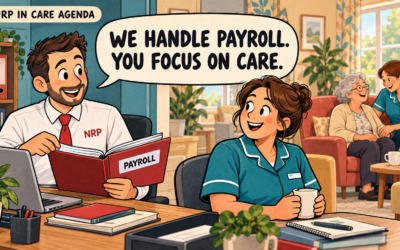
why paying contractors direct is one of the biggest compliance risks in construction. It shows how “self-employed” workers under Supervision, Direction and Control can leave businesses exposed to HMRC liabilities and employment claims, as seen in the Pimlico Plumbers case. It also outlines how using a compliant, FCSA-accredited provider like NRP removes those risks and simplifies payroll at no cost to the business.
Article Category : Freelance Professionals
Why Many Recruiters Are Rethinking In-House Payroll
why paying contractors direct is one of the biggest compliance risks in construction. It shows how “self-employed” workers under Supervision, Direction and Control can leave businesses exposed to HMRC liabilities and employment claims, as seen in the Pimlico Plumbers case. It also outlines how using a compliant, FCSA-accredited provider like NRP removes those risks and simplifies payroll at no cost to the business.
Why Using NRP Costs You Nothing and Protects and Keeps you Compliant
why paying contractors direct is one of the biggest compliance risks in construction. It shows how “self-employed” workers under Supervision, Direction and Control can leave businesses exposed to HMRC liabilities and employment claims, as seen in the Pimlico Plumbers case. It also outlines how using a compliant, FCSA-accredited provider like NRP removes those risks and simplifies payroll at no cost to the business.
Employment Law Exposure – When Self-Employed Workers Start to Look Like Employees
why paying contractors direct is one of the biggest compliance risks in construction. It shows how “self-employed” workers under Supervision, Direction and Control can leave businesses exposed to HMRC liabilities and employment claims, as seen in the Pimlico Plumbers case. It also outlines how using a compliant, FCSA-accredited provider like NRP removes those risks and simplifies payroll at no cost to the business.
HMRC Investigations – Why One Small Mistake Can Open Every Door
why paying contractors direct is one of the biggest compliance risks in construction. It shows how “self-employed” workers under Supervision, Direction and Control can leave businesses exposed to HMRC liabilities and employment claims, as seen in the Pimlico Plumbers case. It also outlines how using a compliant, FCSA-accredited provider like NRP removes those risks and simplifies payroll at no cost to the business.
Misclassification Risk – When “Self-Employed” Isn’t What HMRC Thinks
why paying contractors direct is one of the biggest compliance risks in construction. It shows how “self-employed” workers under Supervision, Direction and Control can leave businesses exposed to HMRC liabilities and employment claims, as seen in the Pimlico Plumbers case. It also outlines how using a compliant, FCSA-accredited provider like NRP removes those risks and simplifies payroll at no cost to the business.
Why are so many civil engineering and construction firms still paying contractors direct?
why paying contractors direct is one of the biggest compliance risks in construction. It shows how “self-employed” workers under Supervision, Direction and Control can leave businesses exposed to HMRC liabilities and employment claims, as seen in the Pimlico Plumbers case. It also outlines how using a compliant, FCSA-accredited provider like NRP removes those risks and simplifies payroll at no cost to the business.
Joint and several liability (JSL) is coming for the temporary labour market.
From April 2026, JSL will apply to non-compliant umbrella use. Learn how recruiters can reduce risk with an FCSA-accredited payroll partner.
PEO – Simplifying the Process
I look into why the PEO model is becoming the go to model for recruitment companies to offer contract workers to keep up with legislation
When was the last time that your business reviewed its Payroll PSL?
A question for you – when was the last time that your business reviewed its payroll? Here’s why it’s important…
Find out more
If you would like to know more about New Red Planet Products or services, request an information pack by completing the quick form below